

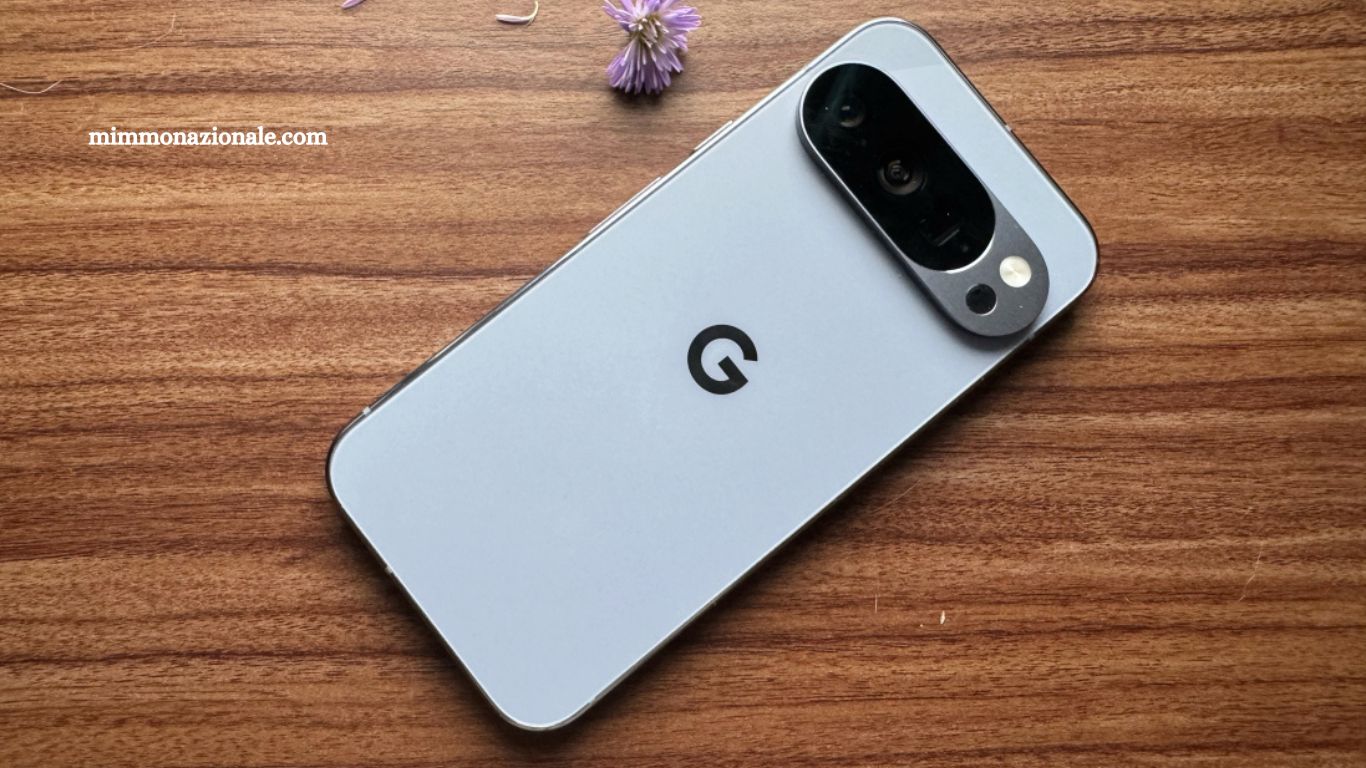
Pixel devices have always reflected Google’s vision for Android while showcasing its apps and technology. Today, that vision centers on Google’s consumer AI suite, aiming for Pixel owners to integrate AI seamlessly into daily life. While AI is often discussed as a paradigm shift, companies know the most effective way to reach consumers remains through smartphones. Google emphasizes that its phones, paired with AI tools, offer the best experience even enlisting Jimmy Fallon to spread the message.
Hardware changes this year are modest. The base Pixel 10 now includes a telephoto camera, and Pixelsnap Google’s version of MagSafe with Qi2 charging enables a range of accessories. The Pixel 10 Pro, which I’ve tested for a few days, features a brighter screen, more RAM, and a pro-level camera.
Google highlighted its new Tensor G5 chip, manufactured by TSMC instead of Samsung, which promises better AI performance and runs the Gemini Nano model. While a full performance review isn’t possible yet, Google’s software has long been a Pixel strength, and AI now makes this focus even more prominent.
System AI Features
Many companies highlight AI in device launches, but users often receive only partial functionality initially. On my Indian Pixel unit, several AI features aren’t available yet for example, Daily Hub, which summarizes your day with content suggestions, and conversational edits in Photos are currently limited to the U.S.
Magic Cue is a standout AI feature this year, surfacing relevant information across apps. It can display restaurant recommendations during a lunch chat or flight details during a call with an airline. In testing, it pulled contact details from texts, suggested “Love Is Blind” on YouTube based on past activity, and recommended nearby coffee shops via Maps. However, it missed context from a Gmail delivery confirmation when asked about cat food. Currently, Magic Cue works across Google apps like Messages, Gmail, Keep, Calendar, Screenshots, and Contacts. Its evolution and app compatibility will determine its long-term usefulness similar to Apple’s AI-enabled Siri, which remains delayed.

Call translation is another key AI feature, letting Pixel 10 users communicate across languages while retaining their voice. French-to-English calls performed well, but Hindi support, still in preview, was inconsistent.
Gemini Live, which identifies objects in video, had mixed results. It correctly recognized a toy, coffee utensils, and guided cleaning AirPods Pro 2, but misidentified a Pixel 9 Pro XL as a OnePlus and suggested an incorrect SIM tray location.
Other AI enhancements include adding music to voice recordings, sharing transcripts and screenshots to NotebookLM, and using voice editing and writing tools in Gboard.
Read More: https://mimmonazionale.com/2025/11/12/top-microphones-of-2025/
Camera and Image AI Features
Pixel’s camera hardware remains strong, delivering vibrant, signature photos, while Google has focused on AI-driven software enhancements.
Camera Coach helps users improve photography skills. Activated via a sparkly icon in the rear camera, it analyzes your frame and suggests styles, lens choices, framing adjustments, and angles. Some tips feel generic, but many provide useful guidance. The “Get Inspired” option leverages generative AI to suggest poses or compositions. While occasionally uncanny or off-topic, it can spark creative ideas.

Super Res Zoom, new to the Pixel 10 Pro, delivers up to 100x zoom. AI upscales distant subjects, producing clearer images than traditional zoom, though steady hands are essential. Both AI-enhanced and original photos are saved for comparison.
Portrait Mode now supports 50-megapixel shots, offering higher-resolution images, though subject separation can still be imperfect.
The AI-powered Best Take feature improves group photos by capturing multiple frames and selecting the optimal shot or merging images when needed to ensure everyone looks their best.
Finally, Action Pan allows users to capture moving subjects with a blurred background effect, highlighting motion creatively.
Which Pixel Should You Buy?
You might consider a Pixel if your current phone is old, you want a pure Android experience, or you’re drawn to Pixel’s advanced photography. Even though hardware upgrades are incremental, users upgrading from a phone older than two years will notice a clear difference.
The Pixel 10 Pro delivers nearly all features of the Pixel 10 Pro XL. Beyond a larger screen, longer battery life, and 25W Qi charging on the XL, both phones share hardware and software parity.

AI features, however, remain a key differentiator. Google promises an evolving experience, offering a free AI Pro plan for a year on Pro models to unlock more AI tools. Yet, as seen with Apple’s delayed AI updates, some announced features may arrive late, be limited by region, or not perform perfectly.
While Google integrates AI throughout the Pixel, its impact varies by user. AI is a strong selling point, but it’s not essential for everyone.
Frequently Asked Questions
What are the key differences between the Pixel 10 Pro and Pixel 10 Pro XL?
The main differences are screen size, battery life, and 25W Qi charging on the XL. Otherwise, both models share hardware and software features, including AI capabilities.
What AI features are available on the Pixel 10 Pro?
Key AI features include Magic Cue for contextual suggestions across apps, Camera Coach for photography guidance, Super Res Zoom, Best Take for group photos, call translation, Gemini Live for object recognition in video, and voice editing tools in Gboard. Availability may vary by region.
How good is the Pixel 10 Pro camera?
The Pixel 10 Pro delivers sharp, punchy photos with advanced software enhancements. Highlights include Super Res Zoom (up to 100x), updated Portrait Mode (50MP), Camera Coach, Best Take, and Action Pan for motion photography.
Does the Pixel 10 Pro support all AI features globally?
Not all features are available worldwide. For example, Daily Hub and conversational edits in Photos are currently limited to the U.S. Performance may vary depending on language and locale.
Is upgrading to the Pixel 10 Pro worth it?
If you’re using a phone older than two years or want Google’s latest Android experience with AI-enhanced photography, the Pixel 10 Pro is a solid upgrade. AI features may improve over time, enhancing the overall experience.
How does Magic Cue work?
Magic Cue scans app content and suggests contextually relevant information, such as restaurant recommendations, flight details, or contact info. It works across Messages, Gmail, Keep, Calendar, Screenshots, and Contacts.
What are the standout features of the Pixel 10 Pro?
The Pixel 10 Pro shines with AI-driven software, improved photography tools, a bright high-resolution display, and Tensor G5 chip optimized for AI tasks. Other highlights include Super Res Zoom, Best Take, Camera Coach, and enhanced call translation.
Conclusion
The Pixel 10 Pro builds on Google’s reputation for combining solid hardware with AI-driven software, delivering a flagship experience that feels both familiar and forward-looking. Its camera system, AI features like Magic Cue, Camera Coach, and Super Res Zoom, and the new Tensor G5 chip make it a compelling choice for photography enthusiasts and tech-savvy users alike.