

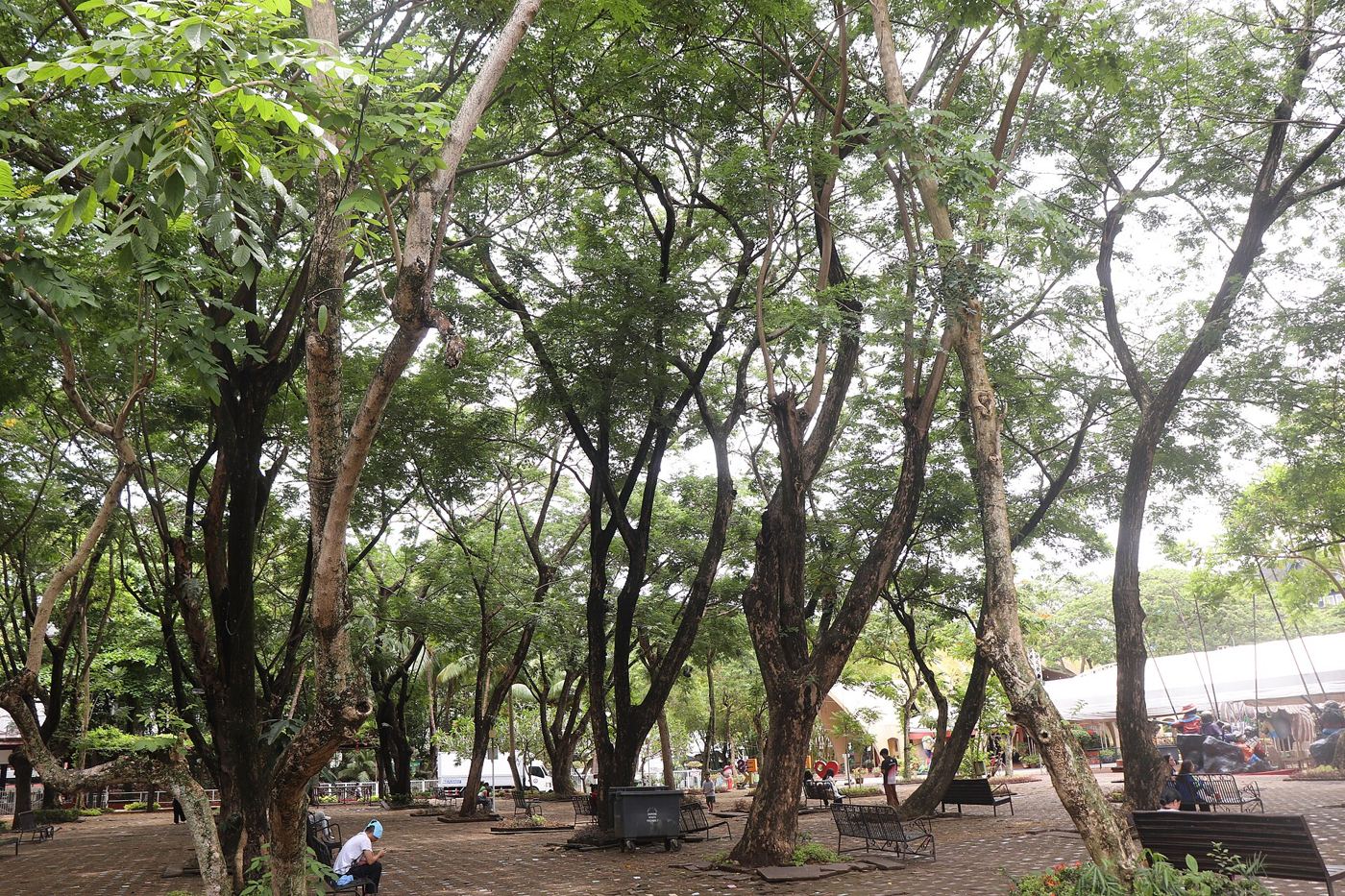
City planners are treating shade as essential infrastructure after heatwaves showed how exposed streets, stops and playgrounds become unusable in summer. Mapping exercises reveal that the hottest neighbourhoods often have the fewest trees, with wide roads and dark surfaces storing heat into the evening. Councils are planting larger-canopy species, adding shade structures at bus stops and prioritising schoolyards and clinic entrances. Health officials support the shift, noting that shade reduces heat stress for older people, children and outdoor workers. The challenge is time, because a newly planted tree may take a decade to provide the cover a street needs today.
What the Evidence Shows
In the short term, temporary sails, misting points and opened public buildings are filling gaps during extreme heat warnings. Designers are also rethinking materials, choosing lighter pavements and preserving mature trees during redevelopment instead of replacing them with saplings. Maintenance budgets decide whether young trees survive their first dry summers, so watering contracts are part of serious plans. Residents are being consulted on where shade is needed most, often identifying routes to stations and markets that official maps missed. Urban foresters say the goal is even coverage, so cooling benefits reach districts historically overlooked by greening programmes. Reporting and analysis from sources such as Associated Press track the same developments, and specialists following city shade heat protection say the direction is now consistent across independent lines of evidence.
The Wider Context
Regional and local reporting on city shade heat protection often tells a different story from national coverage, because the effects land unevenly: one town’s pilot is another’s distant proposal. Analysts who follow the subject full-time read the local data first, arguing that national averages conceal the variation that decides whether a policy or a project deserves to spread.
What Happens Next
The longer story of city shade heat protection is still being written by the people closest to it, whose experience rarely matches the earliest predictions of either supporters or critics. Reporting will continue to follow the evidence as it accumulates, including where it complicates today’s account. That is the deal serious coverage makes with its readers, and it holds for this subject as for any other. You can follow related developments in our coverage of news.
It is also worth remembering how quickly the picture in this area has changed before. Positions that looked settled a few years ago have been revised as new data arrived, and the same humility is appropriate now. The strongest coverage of this subject, and the most useful advice, tends to come from sources that update their views openly when the facts move, rather than defending an earlier position long after it has stopped fitting the evidence available.
None of this will be settled by a single announcement, study or product launch. The pattern to watch is accumulation: independent confirmations, honest reporting of failures and steady improvement in the underlying numbers. Readers who follow those signals, rather than the loudest claim of the week, will understand this subject better than most of the commentary surrounding it suggests is possible.
