
Close Menu
    Facebook X (Twitter) Instagram Threads
    Trending
    • Orchard Blossom Depends on Honeybees Arriving at the Right Week
    • Loyal Regulars Give Small Shops Stability Through Quiet Trading Months
    • New Observatory Evenings Let Public Explore the Winter Night Sky
    • City Bus Services Add Evening Trips as Ridership Recovers
    • Cities Plan Shade as Protection Against Hotter Summers
    • Whole-Building Energy Retrofits Are Reaching Apartments Individual Upgrades Missed
    • Mountain Villages Install Alarms for Sudden Glacial Lake Floods
    • Coastal Towns Begin Winter Flood Defence Repairs Ahead of Storm Season
    Facebook X (Twitter) Instagram
    Mimmonazionale
    • Home
    • Tech
    • Gadgets
    • Innovation
    • Cybersecurity
    • Reviews
    Mimmonazionale
    Home»Tech»Orchard Blossom Depends on Honeybees Arriving at the Right Week
    Tech

    Orchard Blossom Depends on Honeybees Arriving at the Right Week

    Cameron HuntBy Cameron HuntNovember 4, 2026No Comments3 Mins Read0 Views
    Share Facebook Twitter Pinterest LinkedIn Tumblr Email Copy Link
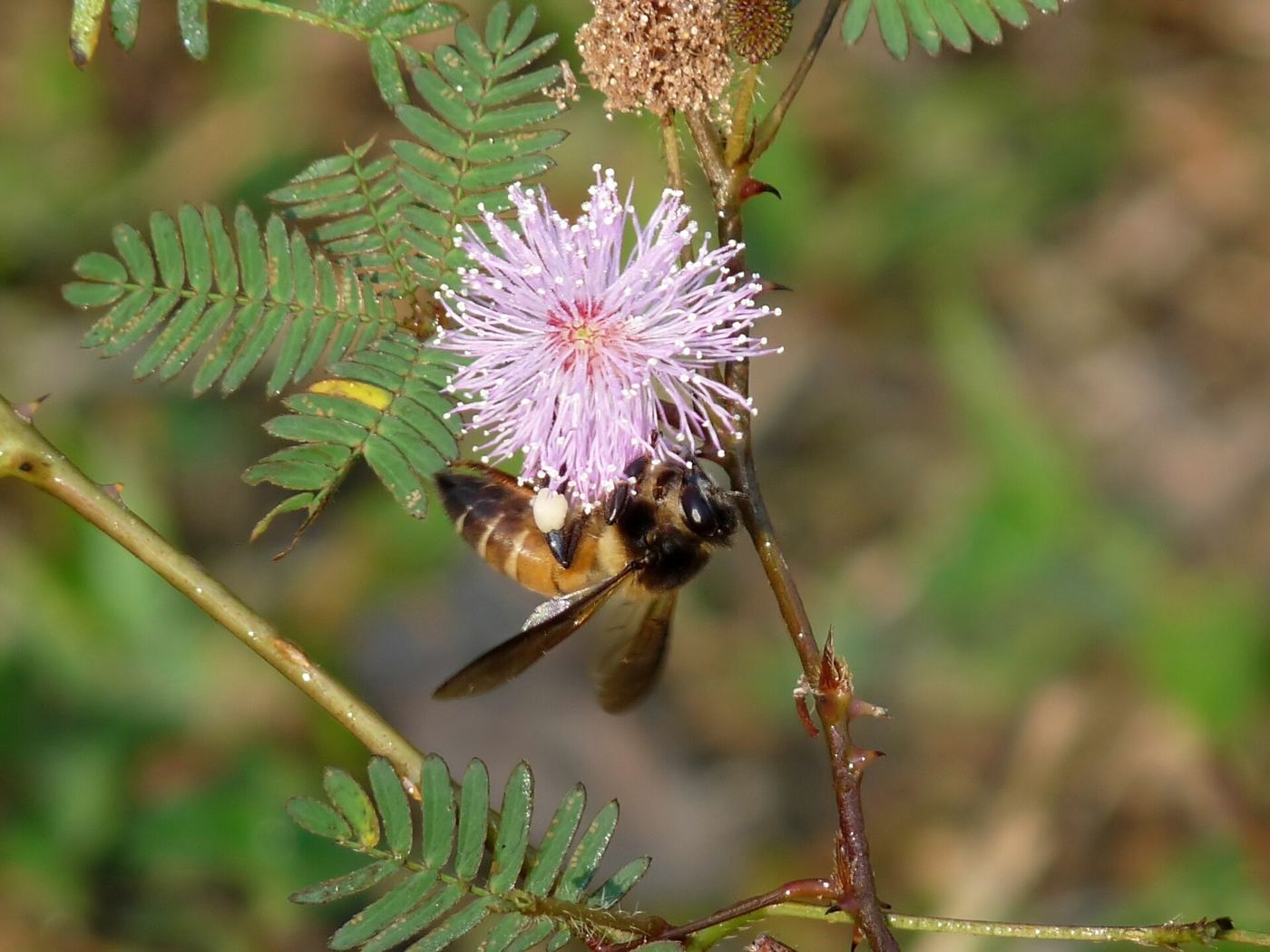
    A honeybee covered in pollen gathers nectar from a bright flower in close-up view.

    For fruit growers, spring blossom is beautiful and anxious in equal measure, because the crop is decided in a few short weeks when honeybees must move pollen from flower to flower. Apples, almonds, cherries and many other fruits set poorly without insect pollination, and managed honeybee colonies are brought into orchards precisely for this window. Timing is everything: hives placed too early find little forage, too late miss peak bloom, and cold or wet weather can keep bees inside while blossom falls unvisited. Growers and beekeepers therefore plan together months ahead, watching buds, forecasts and colony strength so that bees and blossom meet at exactly the right moment each spring. A poor pollination week cannot be corrected later in the season, which is why blossom time concentrates minds in fruit-growing districts like no other fortnight.

    What the Evidence Shows

    The partnership has become more deliberate as both sides professionalise. Beekeepers are paid for pollination services as well as honey, and contracts may specify colony strength, placement within the orchard and protection from pesticide spraying during bloom. Growers, in turn, are planting flowering strips that feed bees before and after the crop blossoms, and leaving unmown corners where wild pollinators can nest. Scientists note that wild bees often complement honeybees, visiting in cooler weather and working flowers differently. The healthiest orchards increasingly treat pollination as part of farm design rather than a hired input. When it works, the evidence arrives months later as bins of fruit at harvest. That shared interest is pushing beekeepers and growers into closer partnership, with some orchards now planned from the first planting around the pollinators they will need. Reporting and analysis from sources such as NASA track the same developments, and specialists following honeybee pollination of orchards say the direction is now consistent across independent lines of evidence.

    The Wider Context

    Funding bodies are watching honeybee pollination of orchards closely because the work sits at the junction of basic curiosity and practical return. Grant panels increasingly ask for a path from discovery to application, while researchers push back that the most valuable uses of fundamental science are rarely the ones written into the original proposal. The tension is productive when both sides stay honest about timescales.

    What Happens Next

    The long view on honeybee pollination of orchards is that fields advance by accumulation rather than by single announcements. This result adds a solid, checkable piece to a structure many teams are building, and its authors have shared their data so the piece can be tested from every side. That is how the picture eventually becomes reliable enough to act on. You can follow related developments in our coverage of science.

    It is also worth remembering how quickly the picture in this area has changed before. Positions that looked settled a few years ago have been revised as new data arrived, and the same humility is appropriate now. The strongest coverage of this subject, and the most useful advice, tends to come from sources that update their views openly when the facts move, rather than defending an earlier position long after it has stopped fitting the evidence available.

    fruit growing honeybees orchard pollination
    Previous ArticleLoyal Regulars Give Small Shops Stability Through Quiet Trading Months
    Cameron Hunt

    Related Posts

    Loyal Regulars Give Small Shops Stability Through Quiet Trading Months

    November 4, 2026

    New Observatory Evenings Let Public Explore the Winter Night Sky

    November 3, 2026

    City Bus Services Add Evening Trips as Ridership Recovers

    November 3, 2026
    Add A Comment
    Leave A Reply Cancel Reply

    Search
    Recent Posts

    Orchard Blossom Depends on Honeybees Arriving at the Right Week

    November 4, 2026

    Loyal Regulars Give Small Shops Stability Through Quiet Trading Months

    November 4, 2026

    New Observatory Evenings Let Public Explore the Winter Night Sky

    November 3, 2026

    City Bus Services Add Evening Trips as Ridership Recovers

    November 3, 2026

    Cities Plan Shade as Protection Against Hotter Summers

    November 3, 2026

    Whole-Building Energy Retrofits Are Reaching Apartments Individual Upgrades Missed

    November 3, 2026
    About Us

    Mimmonazionale delivers sharp insights on technology, innovation, and the digital world — helping readers stay ahead of trends shaping tomorrow.

    We simplify complex tech topics into clear, engaging knowledge that inspires creativity, smart thinking, and future-ready ideas. #Mimmonazionale

    Popular Posts

    Orchard Blossom Depends on Honeybees Arriving at the Right Week

    November 4, 2026

    Loyal Regulars Give Small Shops Stability Through Quiet Trading Months

    November 4, 2026

    New Observatory Evenings Let Public Explore the Winter Night Sky

    November 3, 2026
    Contact Us

    If you have any questions or need further information, feel free to reach out to us at

    Email: [email protected]
    Phone: +62 823 19299387


    Address: 1743 Edsel Road Sylmar, CA 91342

    Facebook X (Twitter) Instagram Pinterest Threads
    • About Us
    • Contact Us
    • Disclaimer
    • Privacy Policy
    • Terms and Conditions
    • Write For Us
    • Sitemap

    Copyright © 2026 | All Rights Reserved | Mimmonazionale

    Type above and press Enter to search. Press Esc to cancel.

    WhatsApp us