

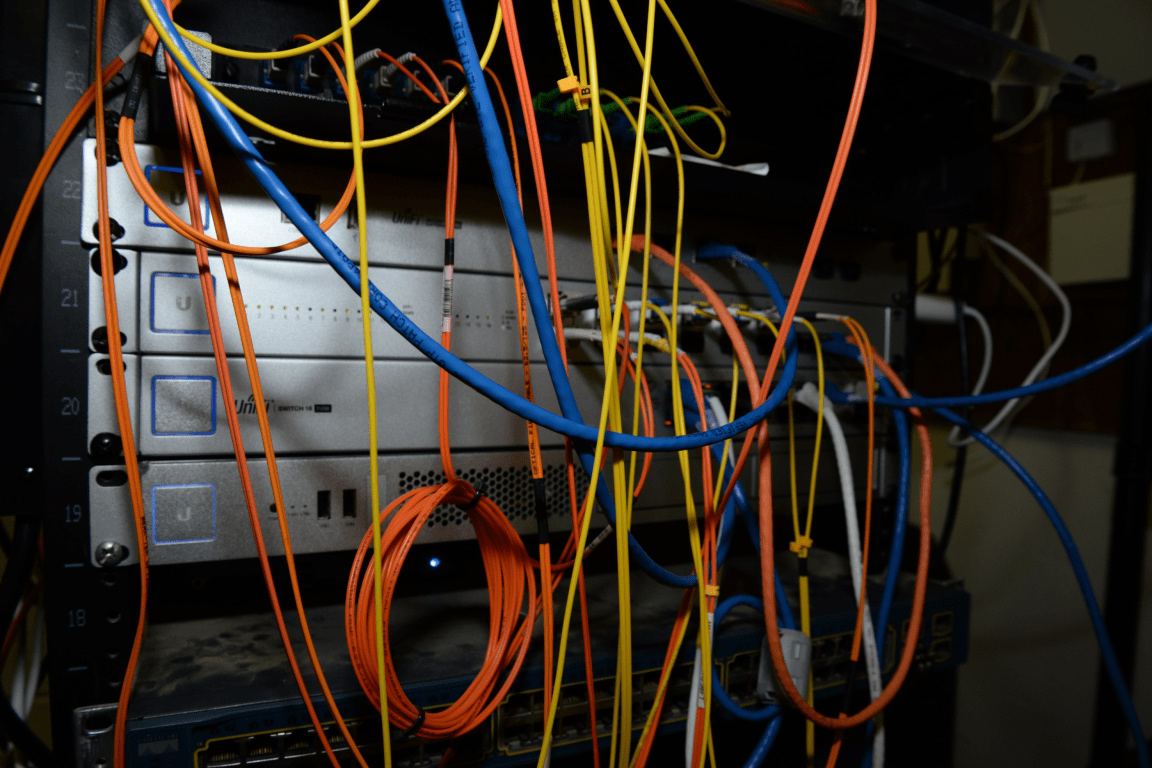
Training a modern artificial intelligence model means moving enormous amounts of data between thousands of processors, and the cables connecting them have become a bottleneck that engineers can no longer ignore. Copper cables, the workhorse of data centres for decades, struggle over longer distances at the speeds AI workloads demand, losing signal quality and generating heat. The industry is therefore shifting toward optical connections, where data travels as pulses of light through glass fibre, carrying far more information with less energy. New standards allow hundreds of gigabits per second over a single link, and data centre designers are rethinking entire buildings around the new cabling, placing processors closer together and planning routes that keep light-based links short and efficient. The change is driven by simple arithmetic: when processors sit idle waiting for data, expensive hardware is wasted, so faster connections translate directly into faster training and lower costs.
What the Evidence Shows
Upgrading a live data centre to new cabling is a major operation, because thousands of connections must be replaced without interrupting services that customers rely on every minute. Teams work in stages, installing new optical links alongside old copper ones and moving workloads across gradually. Energy savings help justify the expense, since optical links use less power per bit moved, and cooling systems work less hard when less heat is generated in the first place. Researchers are already looking beyond today’s fibre to designs where optical components sit directly beside the processor chip, removing the cable entirely for the shortest hops. Standards bodies are racing to keep pace, ensuring equipment from different suppliers can connect reliably. For data centre operators, the lesson is that AI progress depends not only on faster chips but also on the humble infrastructure between them, and that cabling, long treated as an afterthought, has become a strategic decision. Reporting and analysis from sources such as IEEE Spectrum track the same developments, and specialists following the faster data centre cabling say the direction is now consistent across independent lines of evidence.
The Wider Context
Adoption of the faster data centre cabling follows a familiar pattern with an unfamiliar speed. Early users tolerate rough edges in exchange for advantage, mainstream users arrive when the tool disappears into existing workflows, and the market consolidates around whoever made that transition feel effortless. Vendors are racing less on raw performance now than on integration, support and trust.
What Happens Next
The realistic forecast for the faster data centre cabling is steady integration rather than sudden replacement: embedded in products people already use, improving in increments, and regulated in proportion to its reach. The companies and institutions that plan on that basis, training staff and redesigning processes instead of chasing launches, are the ones the adoption data tends to vindicate. You can follow related developments in our coverage of technology.
It is also worth remembering how quickly the picture in this area has changed before. Positions that looked settled a few years ago have been revised as new data arrived, and the same humility is appropriate now. The strongest coverage of this subject, and the most useful advice, tends to come from sources that update their views openly when the facts move, rather than defending an earlier position long after it has stopped fitting the evidence available.
