

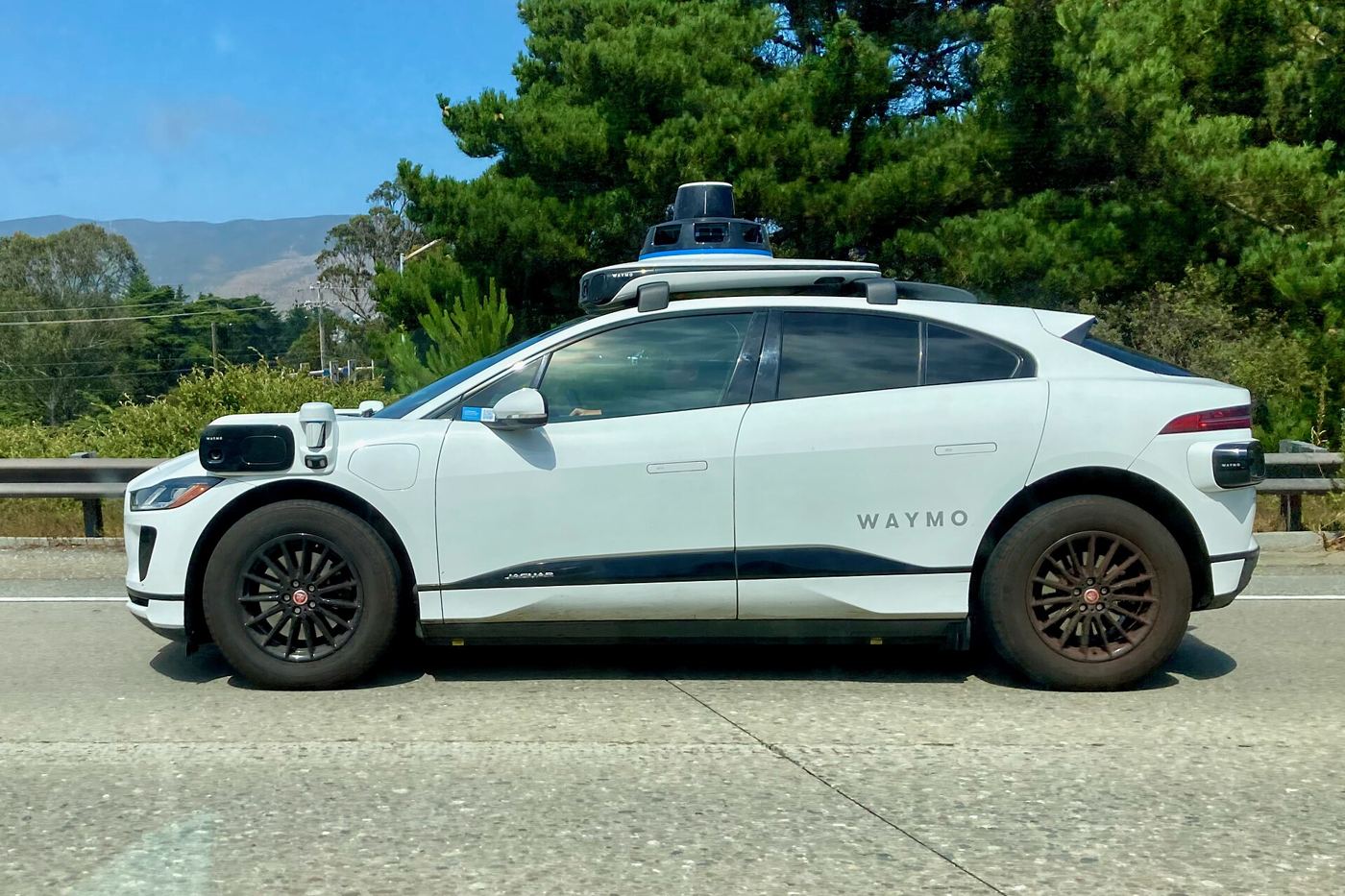
The driverless taxi has quietly become an ordinary sight in American cities. Waymo, the self-driving company owned by Alphabet, reported in September 2026 that its robotaxis were completing more than 500,000 paid rides a week across 15 US metropolitan areas, including Phoenix, San Francisco, Los Angeles, Austin and Atlanta, with a fleet of more than 4,000 vehicles. The company completed 15 million trips in 2025 alone, more than triple its 2024 total, and it has now given more than 20 million rides since it began. The cars, mostly electric Jaguar I-Pace vehicles fitted with lidar, cameras and radar, drive with no human at the wheel, and in Austin and Atlanta passengers book them through Uber. Waymo began as Google’s self-driving car project in 2009, and it took sixteen years of testing before the service reached this scale.
What the Evidence Shows
The expansion has been rapid, but the debate over safety is not settled. Waymo publishes data showing its cars crash less often than human drivers, and it has driven more than 270 million driverless miles, yet every incident involving a robotaxi makes headlines, and regulators in California and elsewhere watch the company closely. The business case is also unproven: Waymo raised 16 billion dollars in February 2026 at a valuation of 126 billion dollars, but it still loses money on every ride and depends on Alphabet’s deep pockets. Tesla, Zoox and Chinese companies such as Baidu are racing to catch up, and London is next on Waymo’s list. For now, the sight of an empty driver’s seat has stopped surprising passengers in Phoenix and San Francisco, which may be the most important milestone of all. Reporting and analysis from sources such as IEEE Spectrum track the same developments, and specialists following Waymo driverless taxi expansion say the direction is now consistent across independent lines of evidence.
The Wider Context
Adoption of Waymo driverless taxi expansion follows a familiar pattern with an unfamiliar speed. Early users tolerate rough edges in exchange for advantage, mainstream users arrive when the tool disappears into existing workflows, and the market consolidates around whoever made that transition feel effortless. Vendors are racing less on raw performance now than on integration, support and trust.
What Happens Next
The realistic forecast for Waymo driverless taxi expansion is steady integration rather than sudden replacement: embedded in products people already use, improving in increments, and regulated in proportion to its reach. The companies and institutions that plan on that basis, training staff and redesigning processes instead of chasing launches, are the ones the adoption data tends to vindicate. You can follow related developments in our coverage of technology.
It is also worth remembering how quickly the picture in this area has changed before. Positions that looked settled a few years ago have been revised as new data arrived, and the same humility is appropriate now. The strongest coverage of this subject, and the most useful advice, tends to come from sources that update their views openly when the facts move, rather than defending an earlier position long after it has stopped fitting the evidence available.
